Institute of Vertebrate Paleontology and Paleoanthropology
Chinese Academy of Sciences
Institute of Vertebrate Paleontology and Paleoanthropology
Chinese Academy of Sciences
RESEARCH PROGRESS
  • Quasi-Agricultural Practices of the Pre-Pottery Neolithic Culture in Central Asia (Approximately 9000 BP) — Harvesting and Consuming Barley
    After 2017–2019 excavations, archaeobotanical analysis found barley (oldest: 9133–8970 cal yr BP, high naked barley proportion) and pulses, confirming barley gathering as a key subsistence strategy. Microliths with "sickle gloss" and cereal-processing grinding stones showed a harvest-to-milling sequence; pistachio shells/wild apple seeds indicated broad plant use. Palynological/isotopic data linked a wetter climate (intensified South Asian monsoons) to these practices. This collaboration pushes Uzbekistan’s cereal use back ~4,000 years, offering critical data for Central Asia’s Pre-Pottery Neolithic studies and inland Asian agricultural origins.
    READ MORE >> Aug 29, 2025
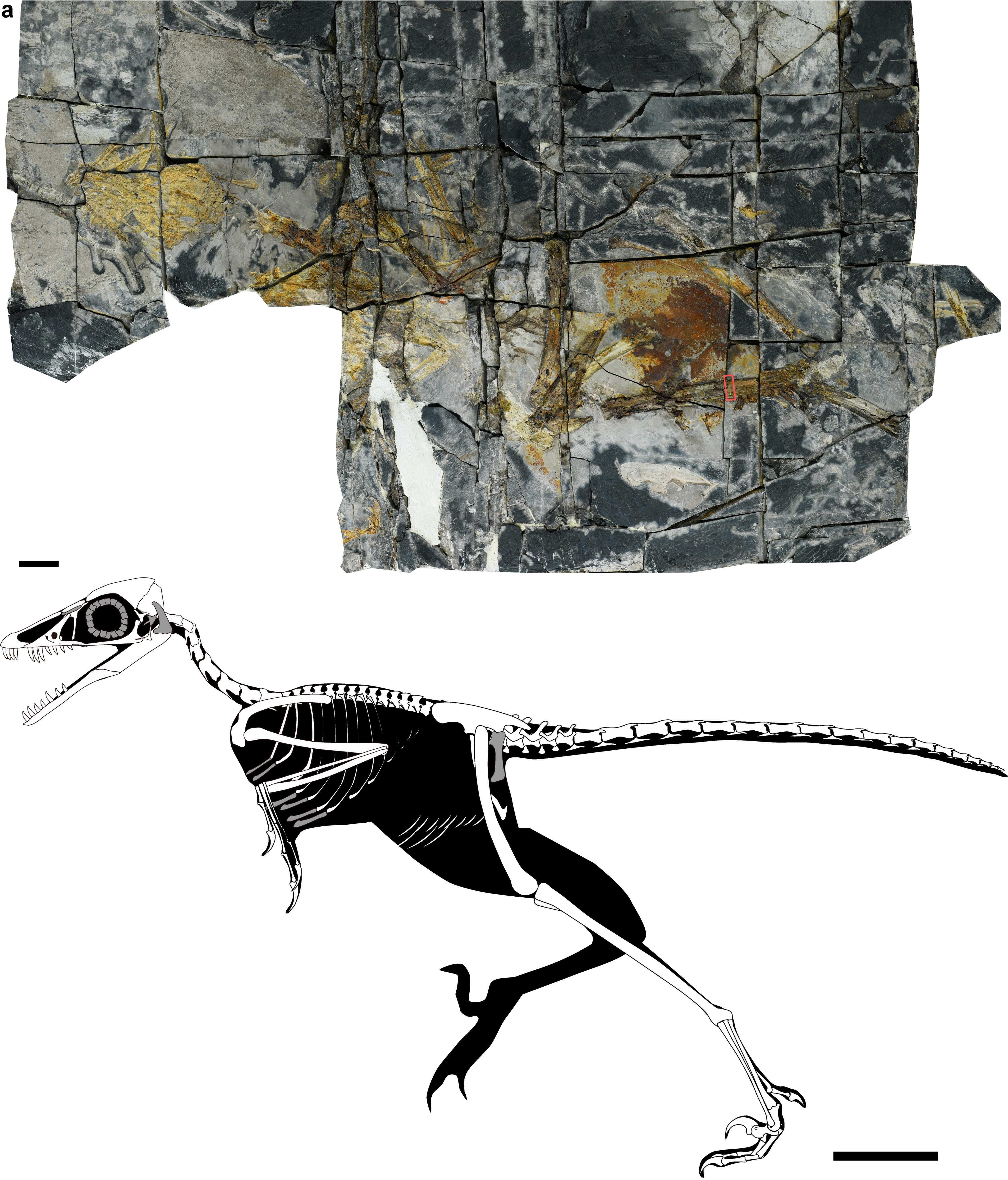
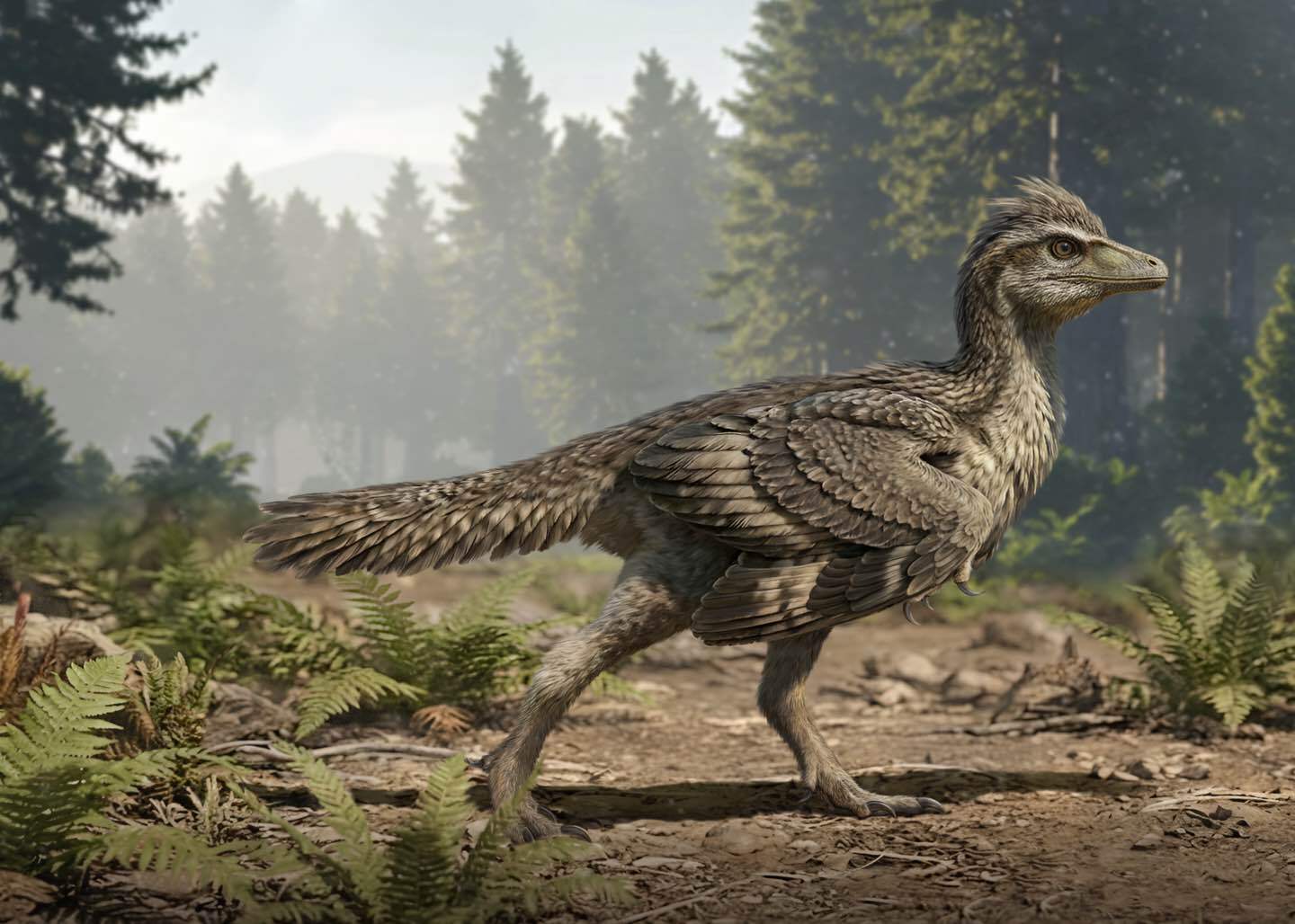
  • Cretaceous fossil bird from China displayed vibrant iridescent feathered crest
    A new fossil discovery shows that the lush ancient forests of China 120 million years ago were home to brilliantly colored extinct birds with iridescent feathers. This unexpected breakthrough reported by an international team in the journal eLife is the result of advances in ultrafine microscopic sectioning of fossil feathers, a new approach to the microscopic study of the three-dimensional arrangement of pigment packages inside fossil feathers, and the key application of powerful supercomputer modeling of light interactions with feather structures to reconstruct the specific iridescent colors that the feathers produced.
    READ MORE >> Aug 14, 2025
  • Multidisciplinary Evidence Reveals Climate–Carbon-Cycle Interactions During the Carnian Pluvial Episode
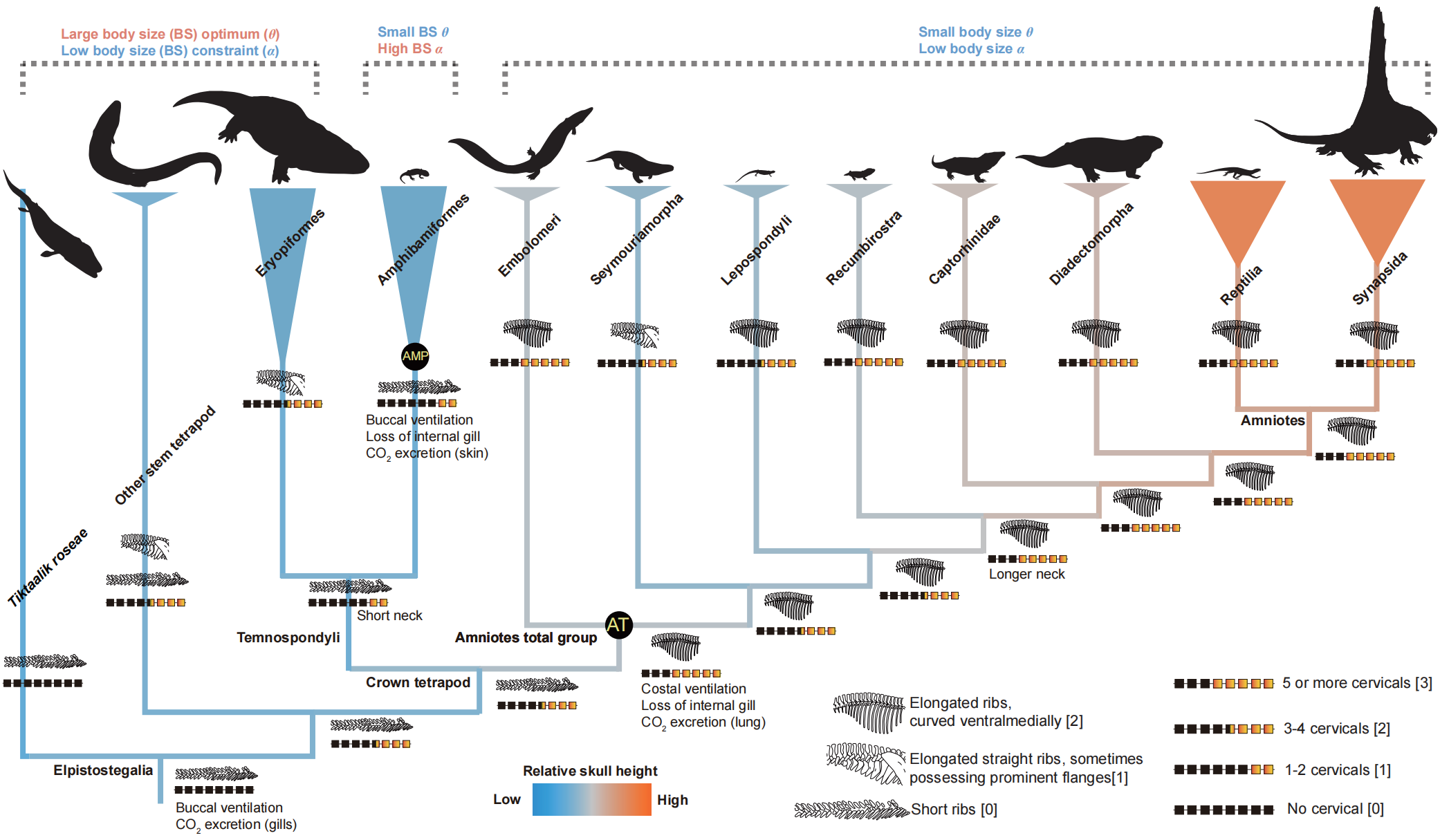
    Multidisciplinary Evidence Reveals Climate – Carbon-Cycle Interactions During the Carnian Pluvial EpisodeThe Mesozoic Era was marked by long-term greenhouse climates and repeated hyperthermal events—periods of rapid global warming—that profoundly affected life.
    READ MORE >> Jun 30, 2025
  • Key Evidence Links Harbin Individual's Nearly Complete Skull to a Denisovan
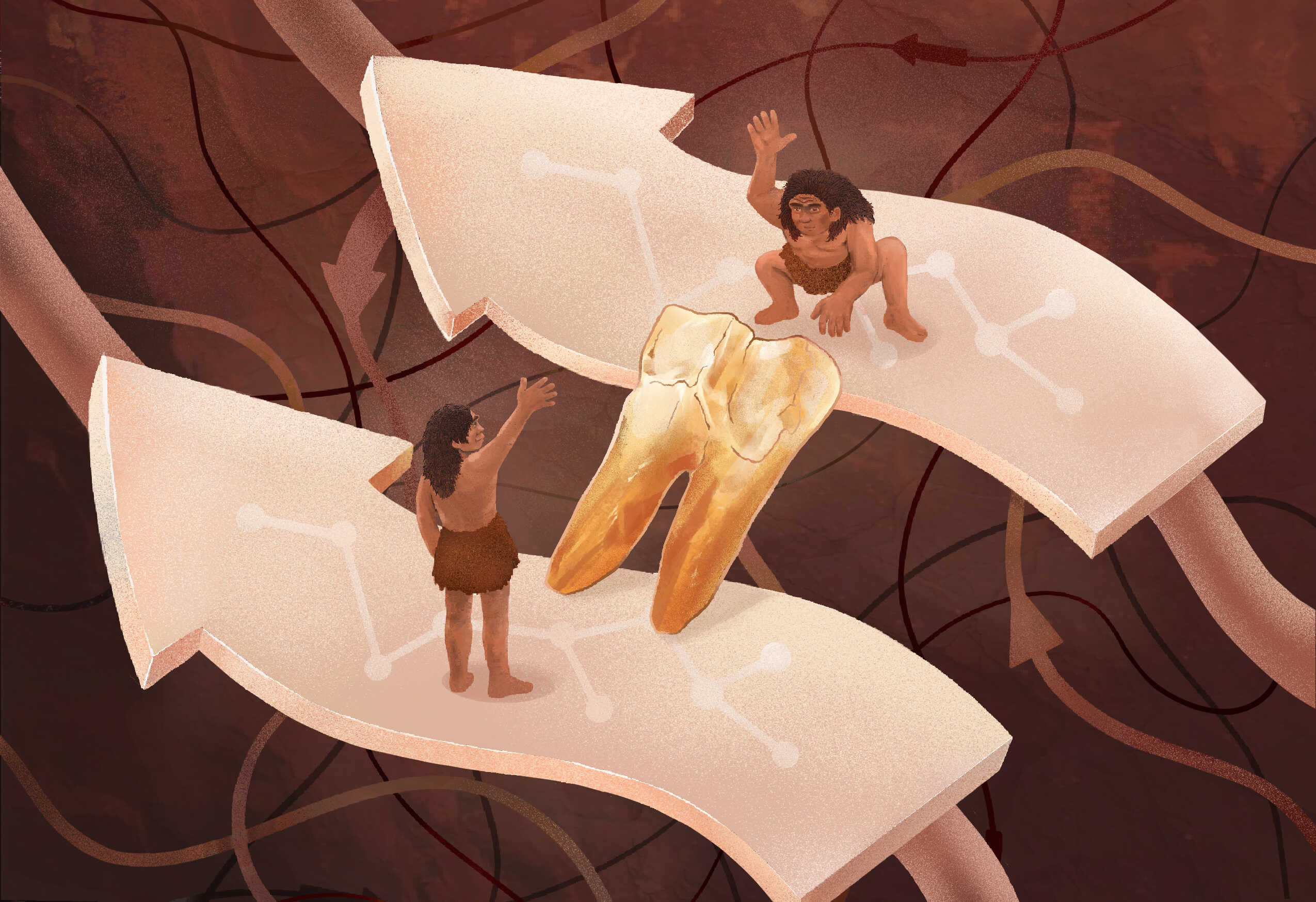
    “What Denisovans looked like, despite their genetic contributions to present-day East Asians and Oceanians? ” This is one of the most important questions that has arisen since the discovery of the Denisovans 15 years ago. Now, recent research by a team led byFU Qiaomiei from the Institute of Vertebrate Paleontology and Paleoanthropology, Chinese Academy of Sciences, and JI Qiangof Hebei GEO University has helped answer this question by confirming that a nearly complete hominin skull discovered near Harbin belongs to the Denisovan lineage. It dates back to at least 146,000 years ago.
    READ MORE >> Jun 17, 2025
  • Secondary eggshell units in dinosaur eggshells
    The calcitic layers of the eggshells of archosaurs (including crocodilians and birds) and turtles are composed of eggshell units. Those growing from the shell membrane are called primary eggshell units (PEUs), while those growing within the calcitic layer are called secondary eggshell units (SEUs). Although extremely rare in modern bird eggs, SEU is a common feature in dinosaur eggs. Due to the lack of in-depth research on this structure, whether it is biogenic or abiogenic is still debatable.
    READ MORE >> May 28, 2025
  • Ancient Genomes Shed Light on Human Prehistory in East Asia
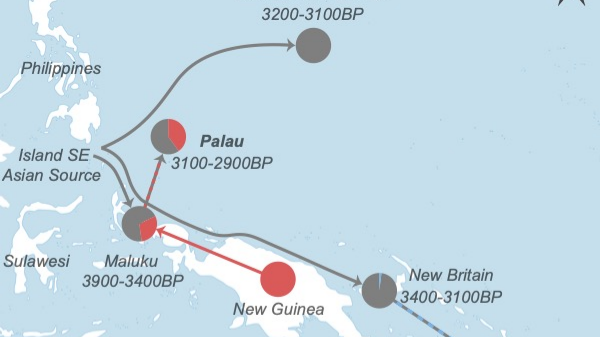
    Newly sequenced ancient genomes from Yunnan, China, have shed new light on human prehistory in East Asia. In a study published in Science on May 29, a research team led by Prof. Fu Qiaomei at the Institute of Vertebrate Paleontology and Paleoanthropology of the Chinese Academy of Sciences analyzed data from 127 ancient humans, dating from 7,100 to 1,400 years ago. The results show that this region is pivotal to understanding the origin of both Tibetan and Austroasiatic (i.e., ethnic groups with a shared language group in South and Southeast Asia) population groups.
    READ MORE >> May 22, 2025