Institute of Vertebrate Paleontology and Paleoanthropology
Chinese Academy of Sciences
Chinese Academy of Sciences
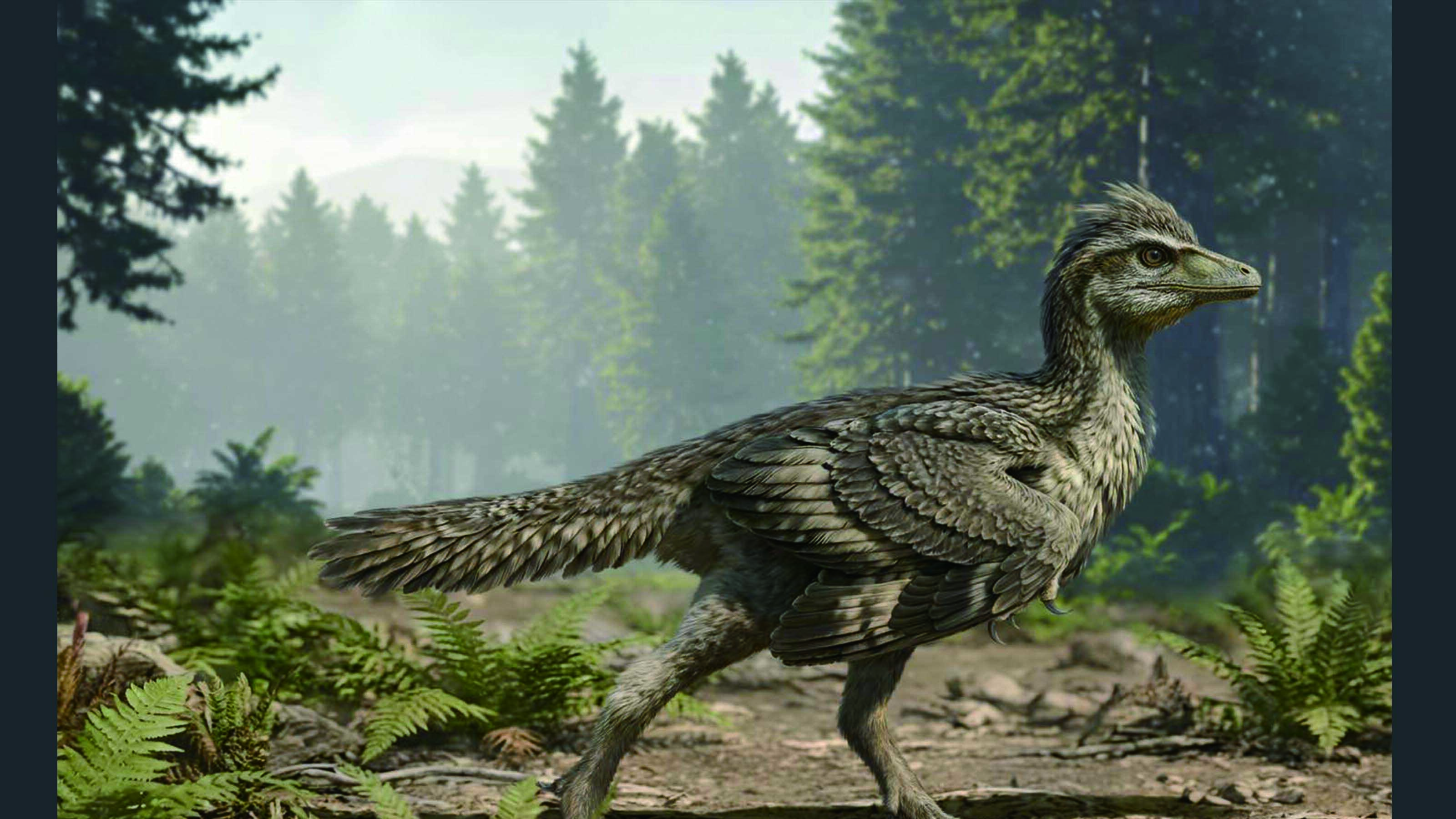
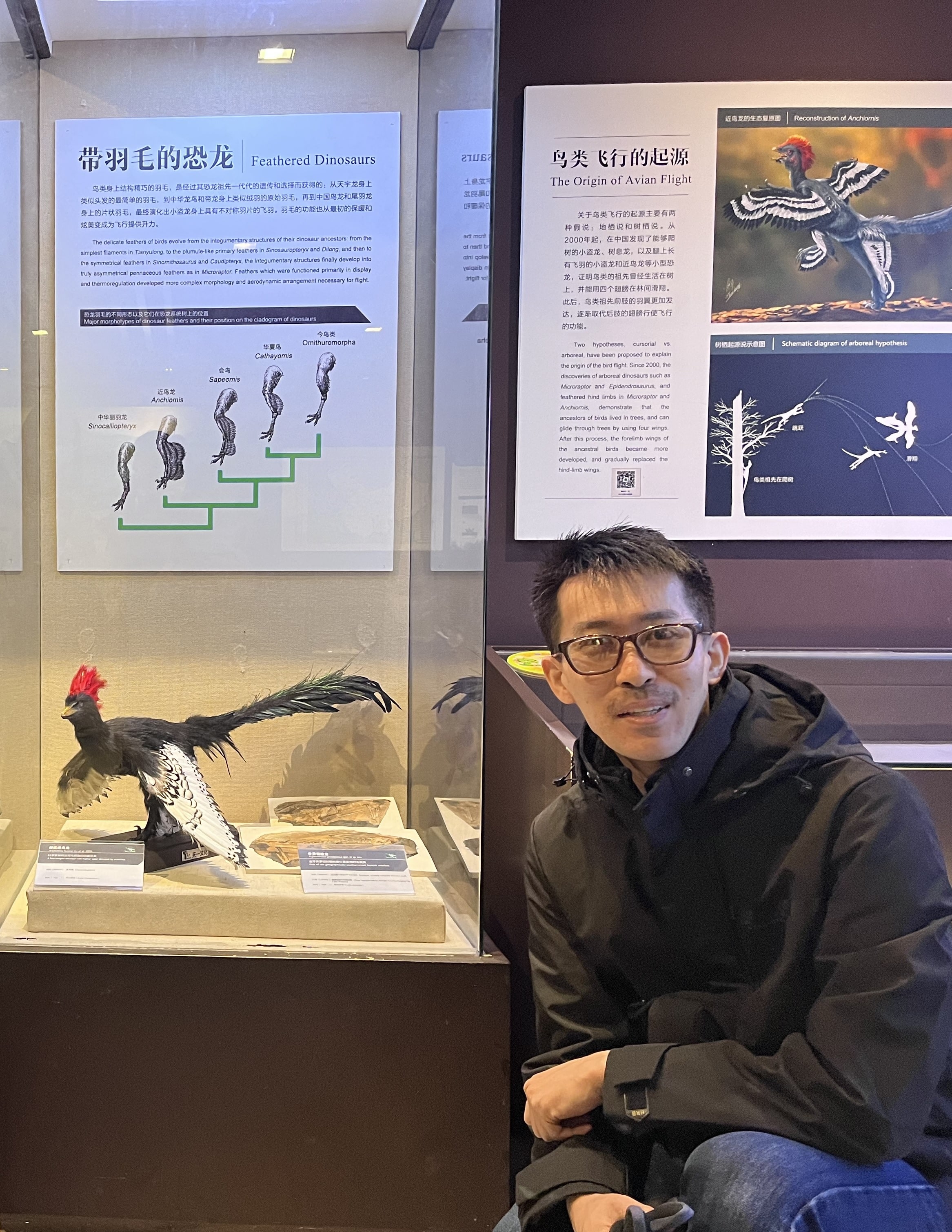
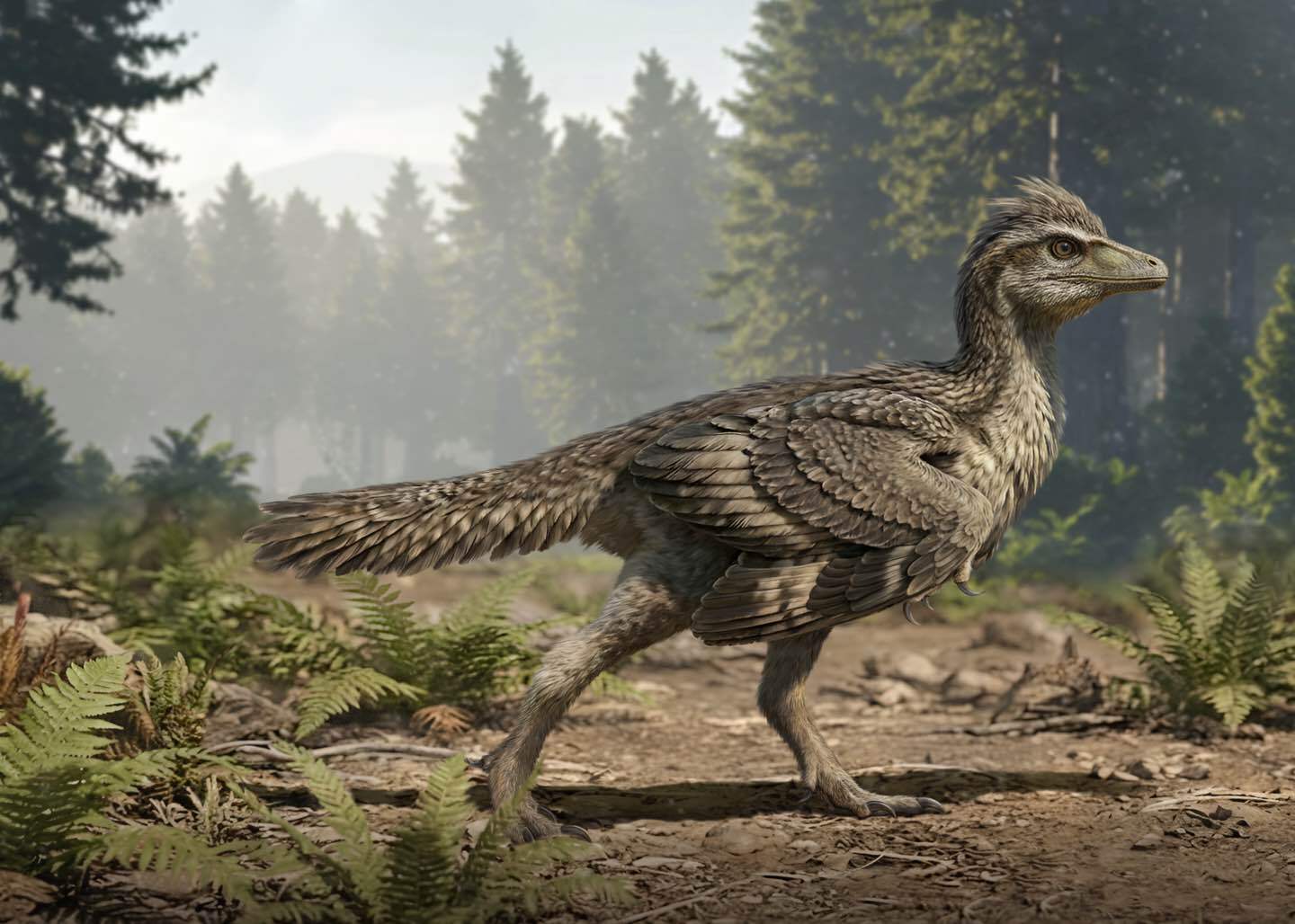
The evolutionary transition from ground-dwelling, long-tailed dinosaurs to light, flight-adapted modern birds is one of the most profound morphological transformations in vertebrate history.
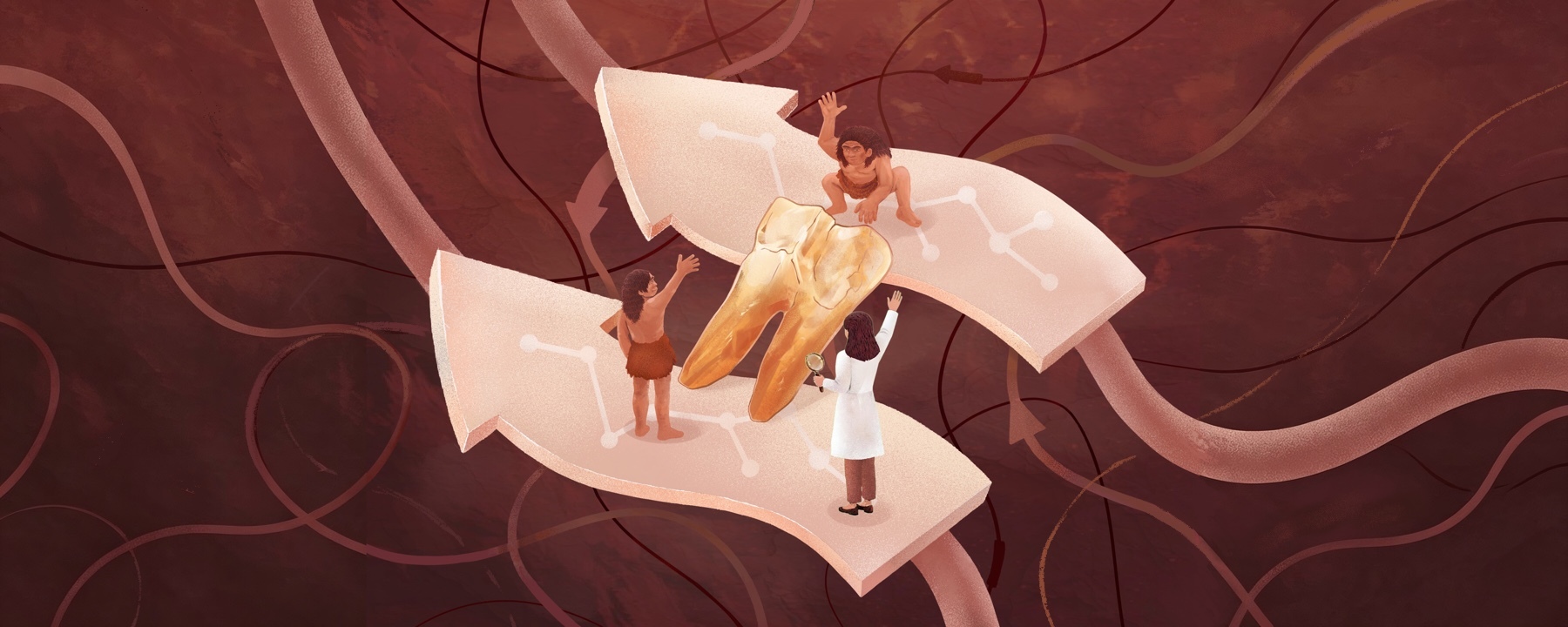
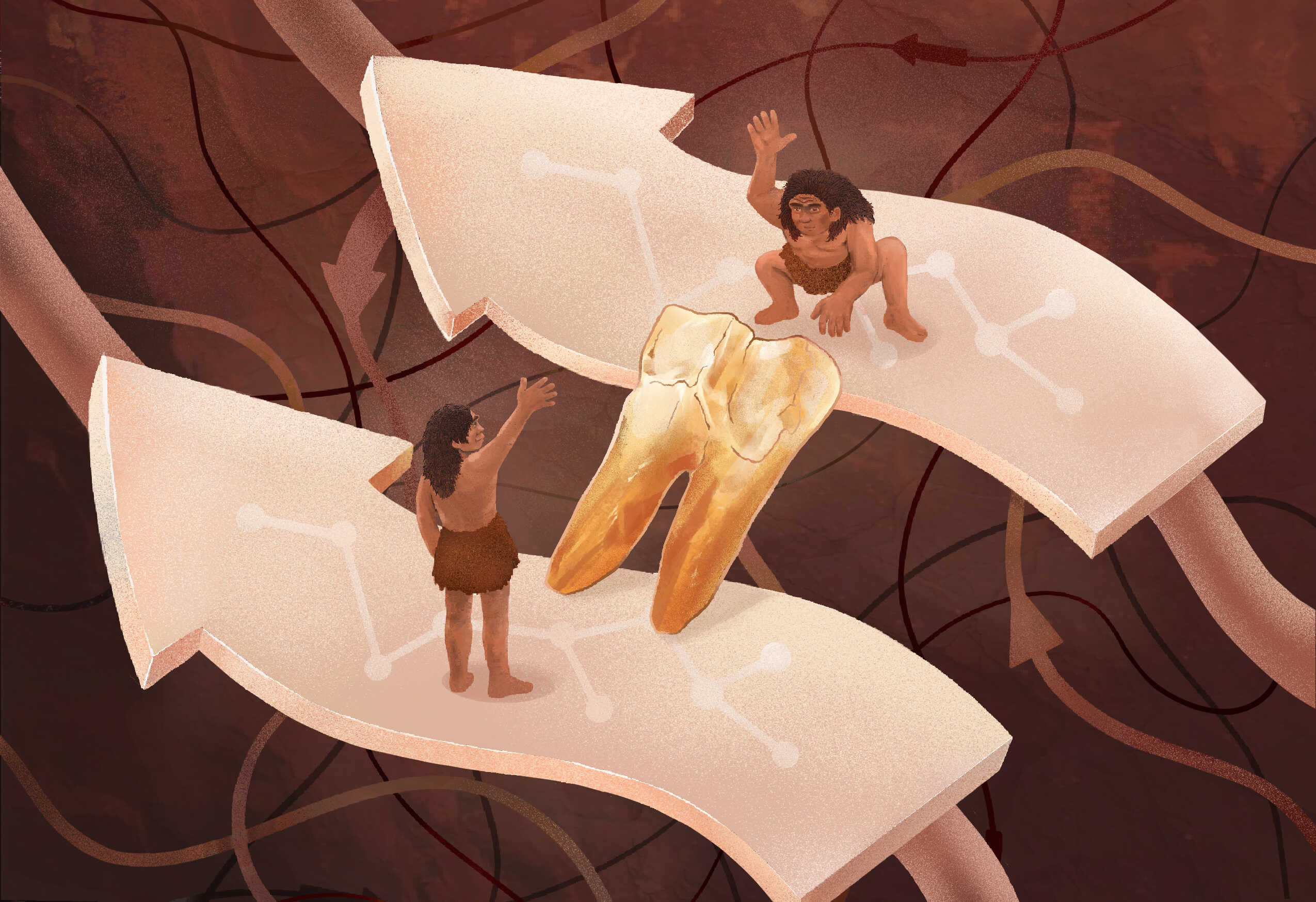
Nature highlighted in a concurrent commentary:"Enamel proteins from six Homo erectus teeth dated back to 400000 years ago in China provide new insights into how ancient genetic material was eventually introduced into modern human populations.".

A research team led by Profs. ZHU Min, LU Jing, and ZHU You’an from the Institute of Vertebrate Paleontology and Paleoanthropology (IVPP) of the Chinese Academy of Sciences published two back to back cover stories in the journal Nature on March 4, reporting new discoveries about the origin of bony fishes.These discoveries enhance our understanding of the early radiation of jawed vertebrates, refute the hypothesis that the ancestral bony fish was more similar to lobe finned fishes, and clarify the early evolutionary trajectory of jaws and teeth in bony fishes.
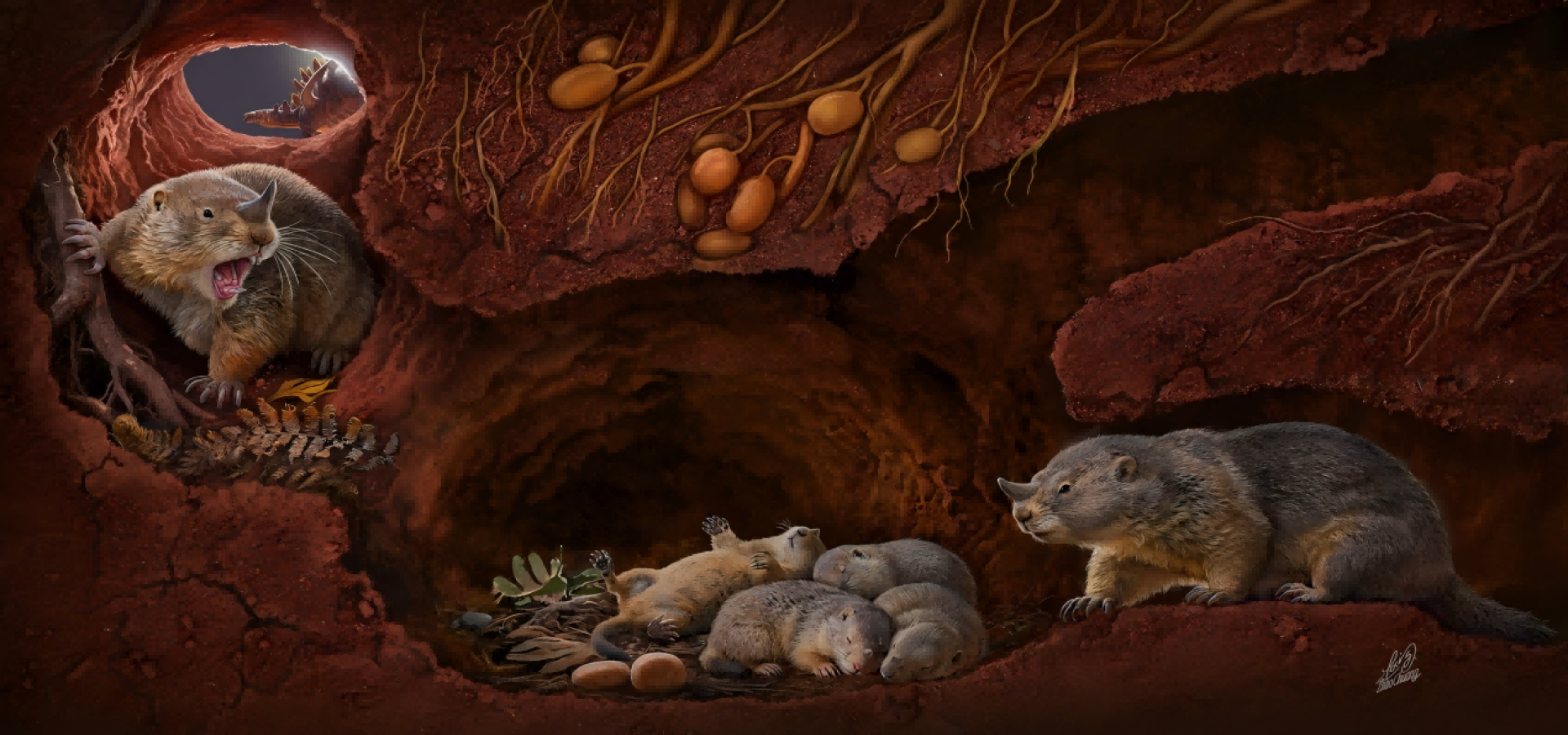
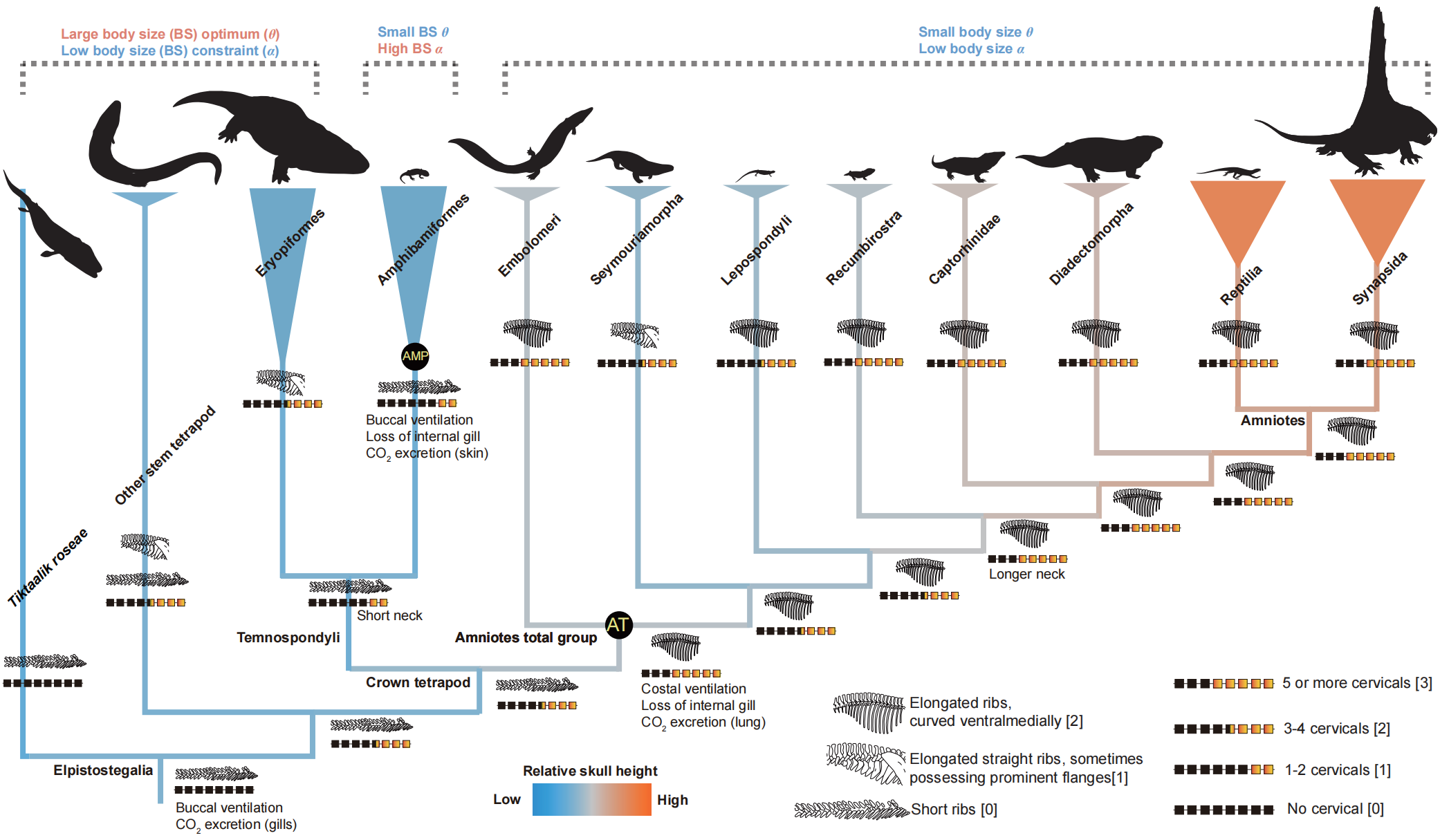
During the course of evolution, the mammalian cranio-mandibular secondary joint—formed by the dentary condyle and the squamosal glenoid fossa, which replaced the reptilian articular–quadrate joint—represents an innovative structure in vertebrate evolution. By CT-scanning two classic fossils, Chinese researchers found previously unknown jaw joints and proposed a clear, four-step sequence showing how chewing and hearing functions were gradually split between jaw and ear.
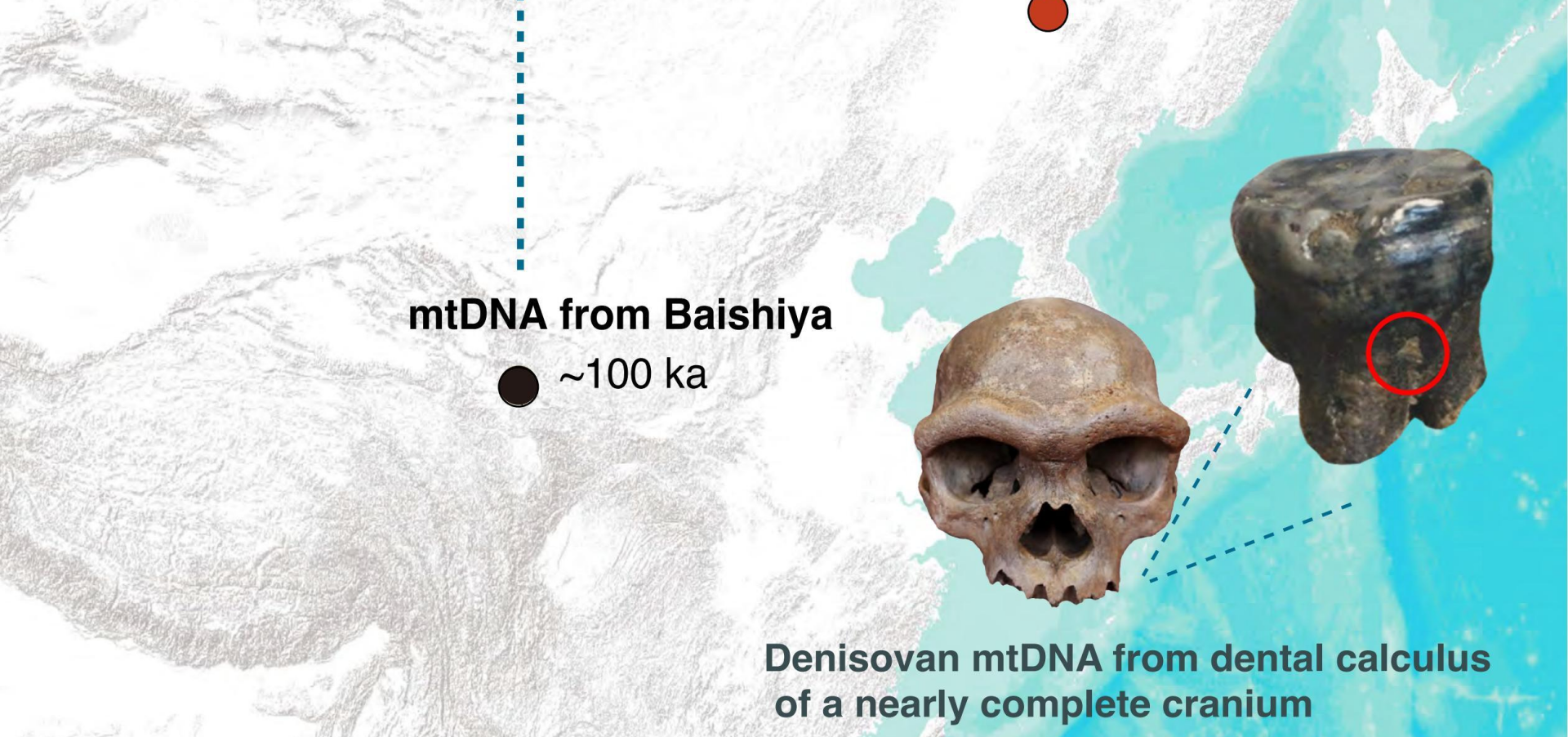
“What Denisovans looked like, despite their genetic contributions to present-day East Asians and Oceanians? ” This is one of the most important questions that has arisen since the discovery of the Denisovans 15 years ago. Now, recent research by a team led byFU Qiaomiei from the Institute of Vertebrate Paleontology and Paleoanthropology, Chinese Academy of Sciences, and JI Qiang of Hebei GEO University has helped answer this question by confirming that a nearly complete hominin skull discovered near Harbin belongs to the Denisovan lineage. It dates back to at least 146,000 years ago.
Friday
Tuesday
Saturday